
mirror frameless
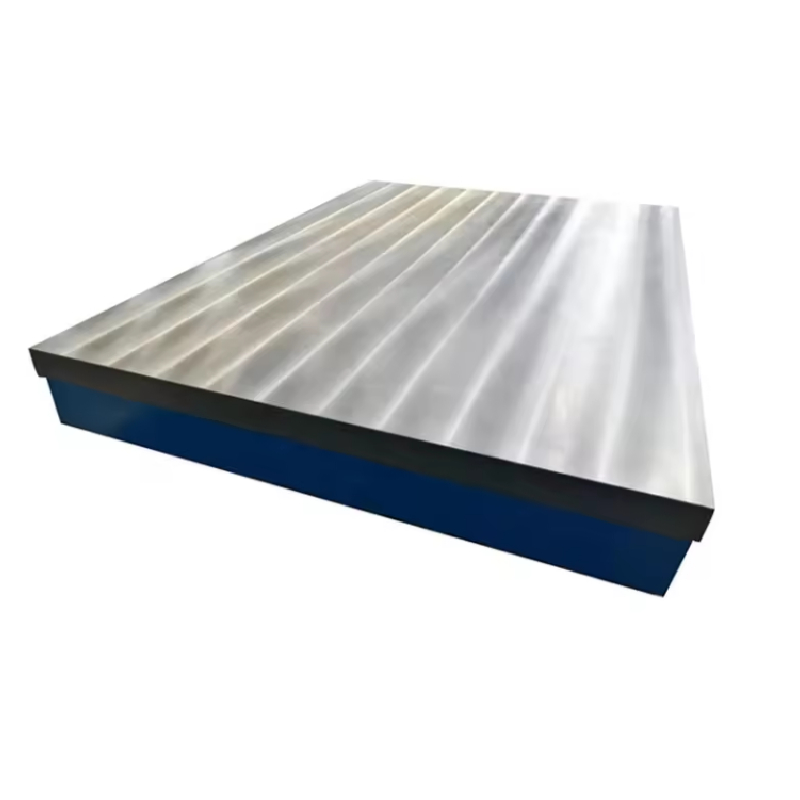
Why a measurement platform still anchors modern quality control Factories love buzzwords, and metrology is having a moment. AI checks, digital twins, edge analytics… yet, on every serious shop floor I visit, the quiet hero is still a rock-solid measurement platform . To be honest, when you dial in flatness and stability, you eliminate a lot of downstream noise. That’s where STR Machinery’s unit from Botou, Cangzhou (No.17, Building 11, Hardware Building Material City, Hebei, China) keeps popping up in conversations—wear resistant, stable, and, as many customers say, “hard to deform” even under daily abuse. Industry trends (and what buyers actually ask for) Two shifts stand out: tighter GD&T tolerances in EV and aerospace work, and the spread of inline verification. That means a measurement platform has to pair high flatness grades with decent mobility, vibration damping, and easy re-certification. Surprisingly, customization is now the norm—T-slots for clamping, inserts for jigs, and surface finishes that don’t bruise optics or delicate housings. Core specifications at a glance Base materials High-strength cast iron (HT250/GG25) or granite (black/diabase), application-driven Flatness grades Grade 00 / 0 / 1 per DIN 876, ISO 8512; ≈3–10 μm per meter (real-world use may vary) Surface finish Ra ≤ 1.6 μm (scraped cast iron) or honed granite Hardness / density Cast iron HB 170–220; Granite density ≈2.9 g/cm³ Load capacity Up to 5,000 kg (custom frames/stands available) Options T-slots, inserts (M8–M16), lifting points, leveling feet, vibration-isolation pads Process flow and quality controls Materials: selected cast iron with controlled pearlitic matrix or low-porosity granite blocks. Methods: stress relief (thermal aging), rough machining, semi-finish milling, fine scraping/lapping, final hand calibration. Testing standards: flatness verified per DIN 876 and ISO 8512; spot pattern checks, autocollimator sweeps, and repeatability mapping. Test data example: Grade 00, 1000×1000 mm, flatness ≤ 3.5 μm; repeatability ±1.5 μm; traceability via ISO/IEC 17025 lab certificates. Service life: around 8–12 years in typical machining environments; longer with covers and periodic re-scrape. Industries: EV drivetrains, aerospace brackets, precision molds, medical device housings, optics assembly. Why this measurement platform wins on the floor It’s the combination: wear resistance, stubborn stability, and—actually—a finish that forgives real-world handling. The origin matters too; Botou’s casting and stoneworking ecosystem keeps lead times sane. Certifications? The factory quality system aligns with ISO 9001, and calibration reports can be issued by ISO/IEC 17025-accredited partners. Customers tell me they notice fewer reworks after swapping in this measurement platform , especially for parts with tight positional tolerances. Vendor comparison (quick, practical view) Vendor Material Flatness grades Max size Lead time Notes STR Machinery Cast iron / Granite 00 / 0 / 1 ≈3000×2000 mm 4–6 weeks Strong customization, fair pricing Vendor A Granite only 0 / 1 ≈2000×1500 mm 6–8 weeks Great polish, fewer options Vendor B Cast iron 0 / 1 ≈2500×1500 mm 5–7 weeks Solid basics, limited T-slots Customization and real-world feedback Options span stand height, epoxy infill, coolant-safe coatings, and datum tag engraving. Shipping crates are moisture-controlled—small detail, big impact. One EV plant reported a 22% drop in gauge R&R variation after moving critical checks onto this measurement platform . A medical device assembler (clean area) liked the low particle shedding of the honed granite version—less wipe-down between lots. Application snapshots Automotive powertrain: fixture plates bolted to the measurement platform for inline cam-cap height checks. Mold shop: blueing and scraping on cast iron measurement platform to recondition reference faces. Optics: granite measurement platform under vibration pads for lens barrel coaxiality checks. Standards and traceability matter. Specify the grade you need, ask for a calibration map, and—this is my usual nudge—budget a re-verification every 12–18 months or after a move. References DIN 876: Flatness tolerances for surface plates. ISO 8512-1/-2: Surface plates — Granite and Cast Iron — Specifications and verification. ASME B89.3.7: Granite surface plates — Methods for inspection. ISO 9001:2015 — Quality management systems — Requirements. ISO/IEC 17025: General requirements for the competence of testing and calibration laboratories.
about
mirror frameless
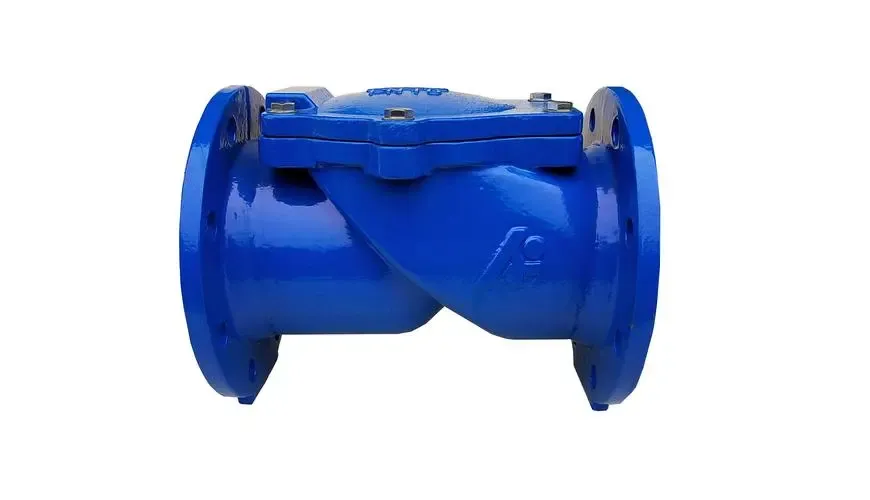
The Valve A Crucial Component in Engineering and Technology In the realm of engineering and technology, valves play an essential role in controlling the flow of fluids, gases, and even solids in various applications. Valves are mechanical devices that can regulate, direct, or control the flow of substances within a system, making them fundamental in numerous industries, including oil and gas, water treatment, pharmaceuticals, and automotive engineering. Understanding Valves At its core, a valve operates by opening, closing, or partially obstructing passageways in fluid systems. The primary purpose of any valve is to manage the flow and pressure of fluids or gases, ensuring that processes run smoothly and safely. Valves can be classified into several types based on their design and function, including gate valves, globe valves, ball valves, butterfly valves, and check valves, among others. 1. Gate Valves These valves are often used for on/off control. They operate by lifting a gate out of the path of the fluid, allowing it to flow freely when opened. However, they are not suitable for throttle control as they do not regulate flow efficiently when partially open. 2. Globe Valves Designed to allow for precise flow control, globe valves have a spherical body and a movable disk that regulates flow through the valve . This design makes them ideal for applications requiring frequent flow adjustments. 3. Ball Valves Ball valves feature a spherical disc with a hole through its center. When the hole is aligned with the flow, the valve is open, and when it is perpendicular, the valve is closed. Their quick operation and tight sealing properties make them popular in many applications. 4. Butterfly Valves These valves use a rotating disc to control flow. They are lightweight, quick to open and close, and are advantageous in applications where space is limited. 5. Check Valves Also known as non-return valves, check valves prevent fluid from flowing backward in a system. They are crucial in maintaining the integrity and safety of systems by ensuring fluid flows in the intended direction only. the valve Applications of Valves Valves are ubiquitous in everyday life, functioning in both commonplace and specialized systems. In residential plumbing, valves control the water flow supplying homes. In industrial settings, they regulate processes in chemical manufacturing, refining, and energy production. For instance, in the oil and gas sector, valves manage the flow of crude oil and natural gas through pipelines, ensuring safe and efficient transportation. In the automotive industry, valves control the flow of fuel and air into combustion engines, playing a critical role in performance and efficiency. Additionally, in healthcare, valves are essential in medical devices such as ventilators and intravenous systems, ensuring the safe delivery of medications and maintaining patient safety. Technological Advancements in Valve Design As technology progresses, valve design and functionality continue to evolve. Automation and smart technologies have revolutionized valve operations, allowing for remote monitoring and control. This innovation reduces human error and enhances operational efficiency. Smart valves equipped with sensors can provide real-time data on flow rates, pressure, and temperature, enabling proactive maintenance and optimization of processes. Moreover, advancements in materials science have led to the development of valves that can withstand harsher conditions, such as extreme temperatures or corrosive substances. This durability extends the lifespan of valves and reduces maintenance costs, ultimately benefiting various industries. Conclusion Valves are indeed a critical component across many sectors and industries, playing an integral role in ensuring the smooth and safe operation of systems. Their diverse types and advanced designs cater to a wide range of applications, solidifying their importance in modern engineering and technology. As we continue to innovate and improve valve technology, their significance in our daily lives will only grow, shaping the future of fluid and gas management.
-

High quality industrial productsagement

High quality industrial products
View Details -

Meet the diverse needs of customers

Meet the diverse needs of customers
View Details -

Strict quality control

Strict quality control
View Details -

Top raw materials

Top raw materials
View Details -

Trusted supplier

Trusted supplier
View Details
Our application
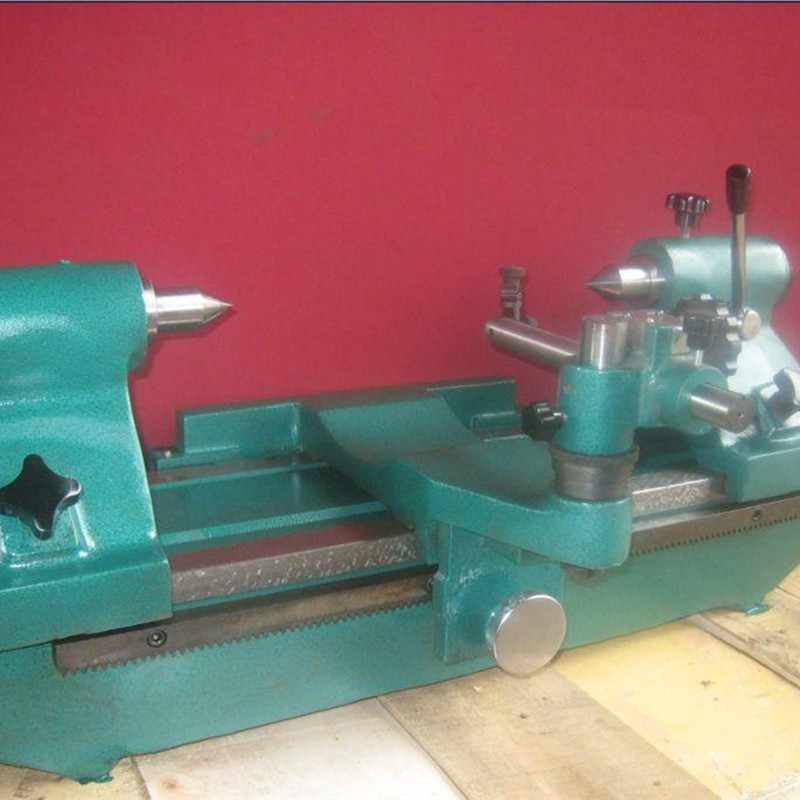
news and information
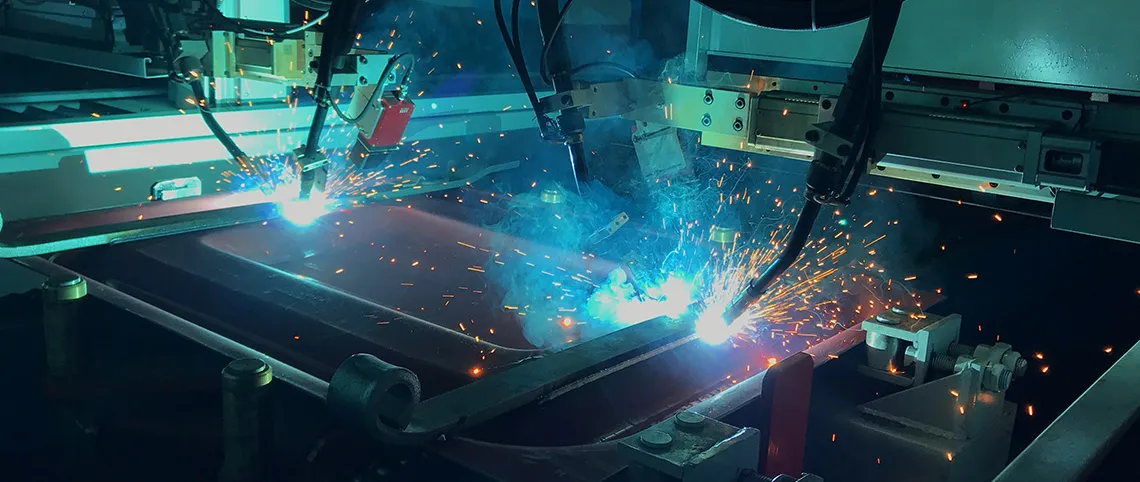
valve gate valve
Understanding Valve Gate Valves An Essential Component in Modern Industry In various industrial appl
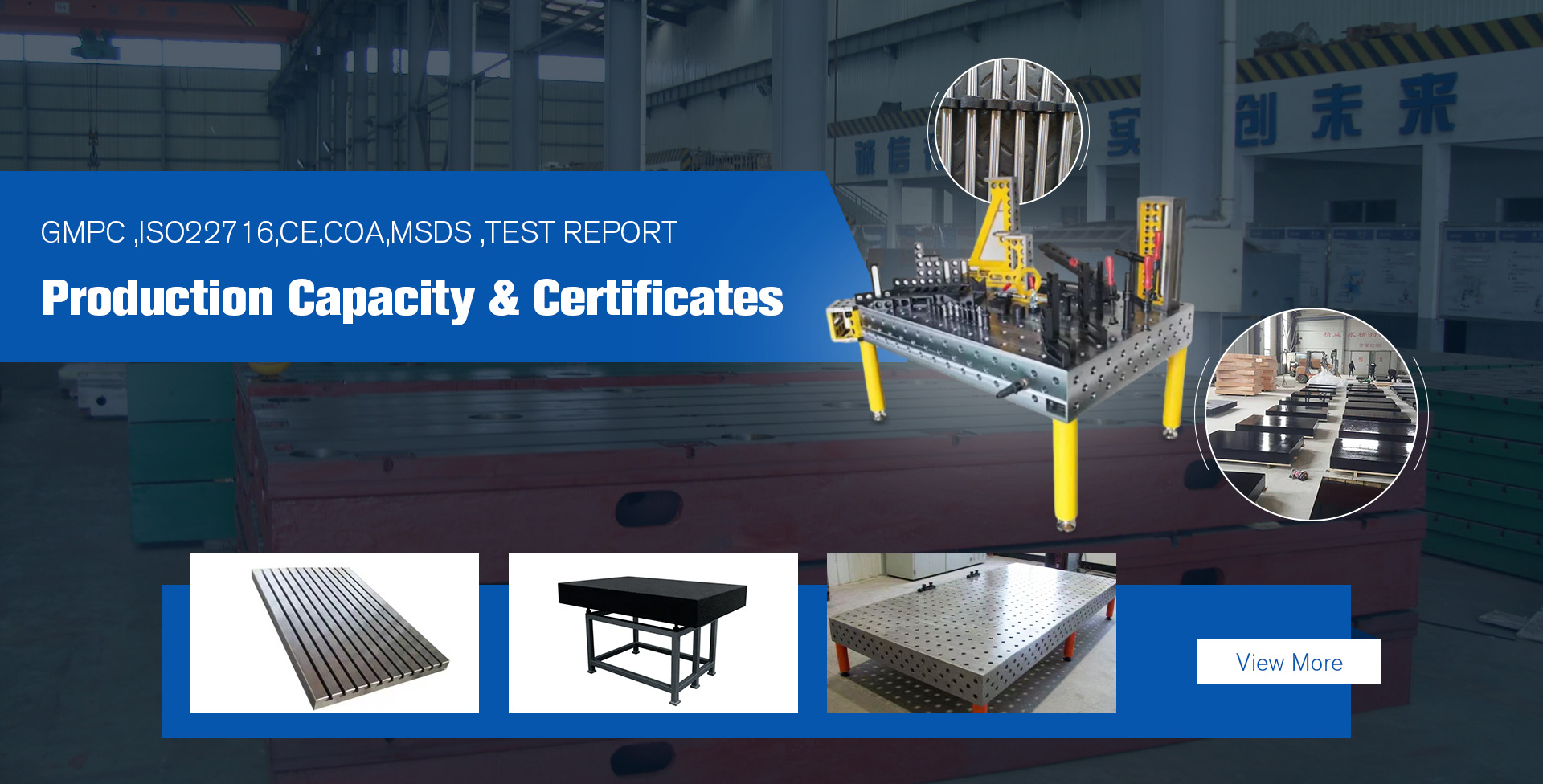
Using Thread Ring Gauge for Precision Measurement and Quality Assurance in Manufacturing
The Importance of a Thread Ring Gauge in Quality Control In the realm of engineering and manufacturi
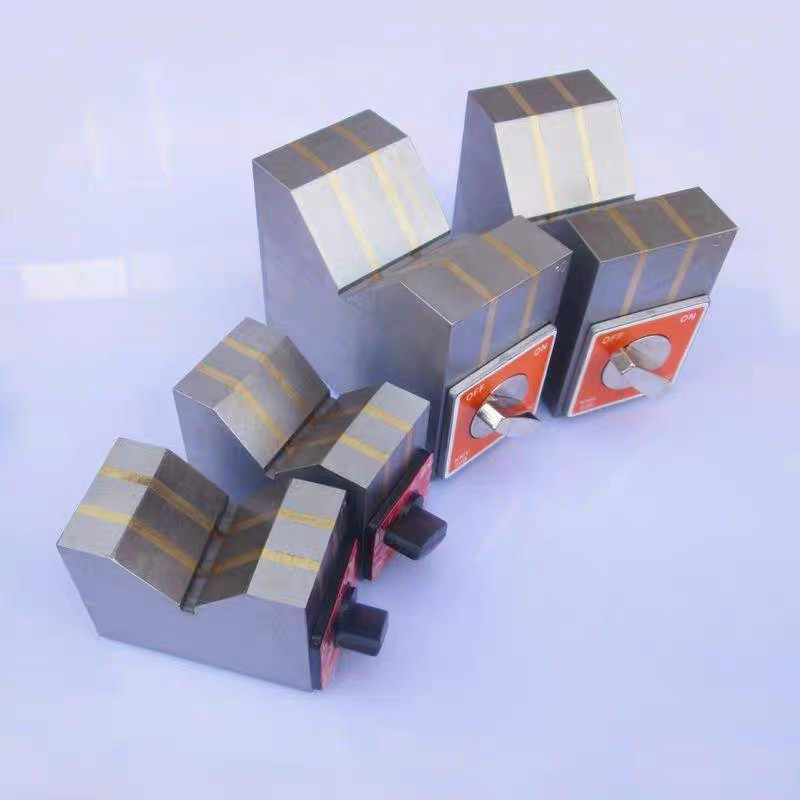
Versatile Wood Connection Brackets for Enhanced Structural Support and Easy Assembly Solutions
The Versatility of Wood Connector Brackets in DIY Projects Wood connector brackets are essential com
 English